
Counterfoil: From a Booking Monolith to an Event-Driven Platform
Ternary keeps Counterfoil's booking platform live and maintained while rebuilding it as Continuum — event-driven services with a reusable availability engine and a generated SDK for every surface.
- Industry
- Technology
- Engagement
- Platform build · Multi-quarter
- Duration
- 14 months
- Team
- 9 — eng, ML, design, ops
- Year
- 2025–2026
How we approached the work, what we built, and why it matters.
The challenge
Counterfoil's first-generation product proved the model but grew into a monolith where booking, billing, and identity were tightly coupled — hard to evolve and hard to reuse across new surfaces.
Our approach
Ternary keeps the production platform stable and maintained while rebuilding it in parallel as Continuum: an event-driven architecture that separates concerns into independent services with clear API boundaries.
What we built
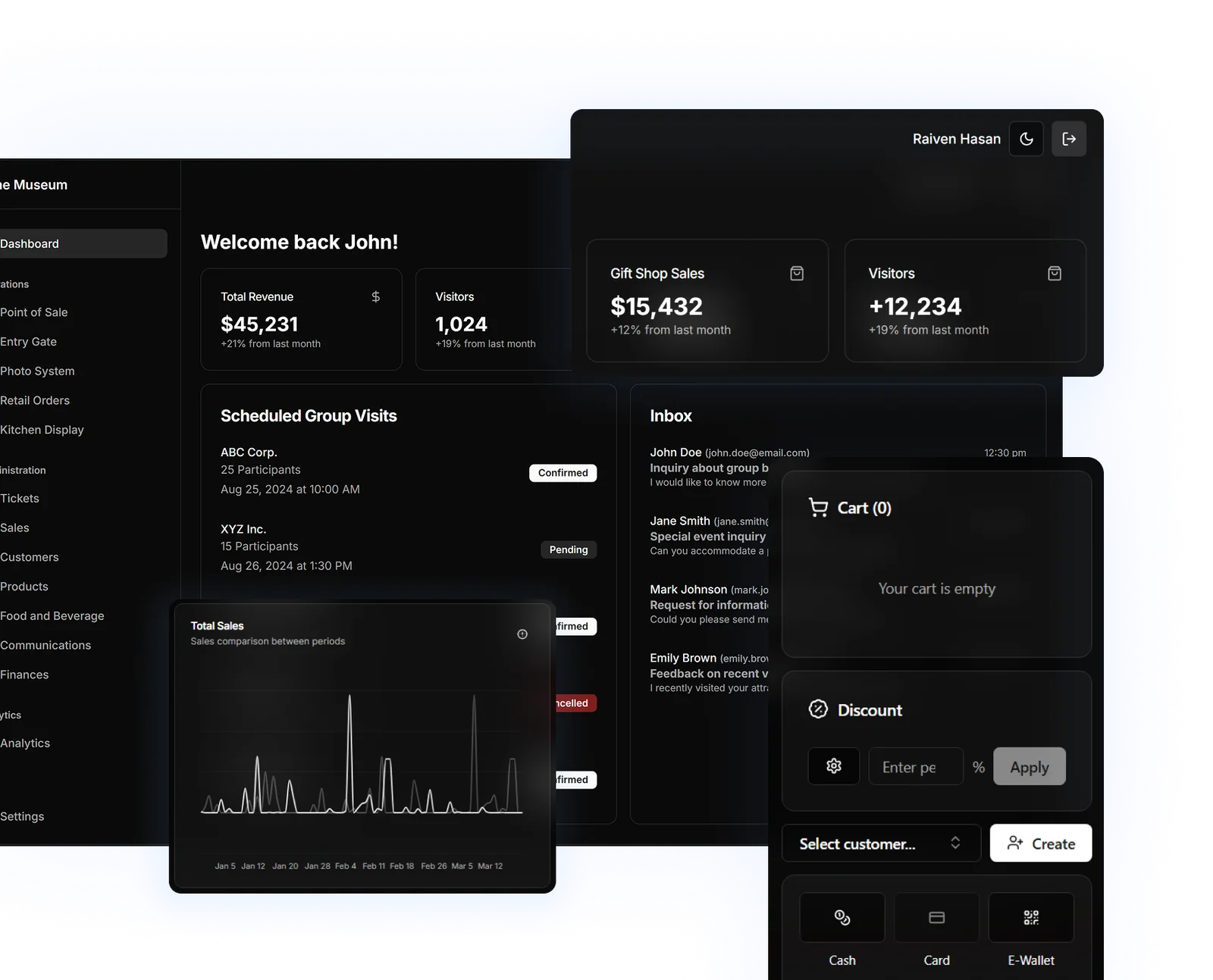
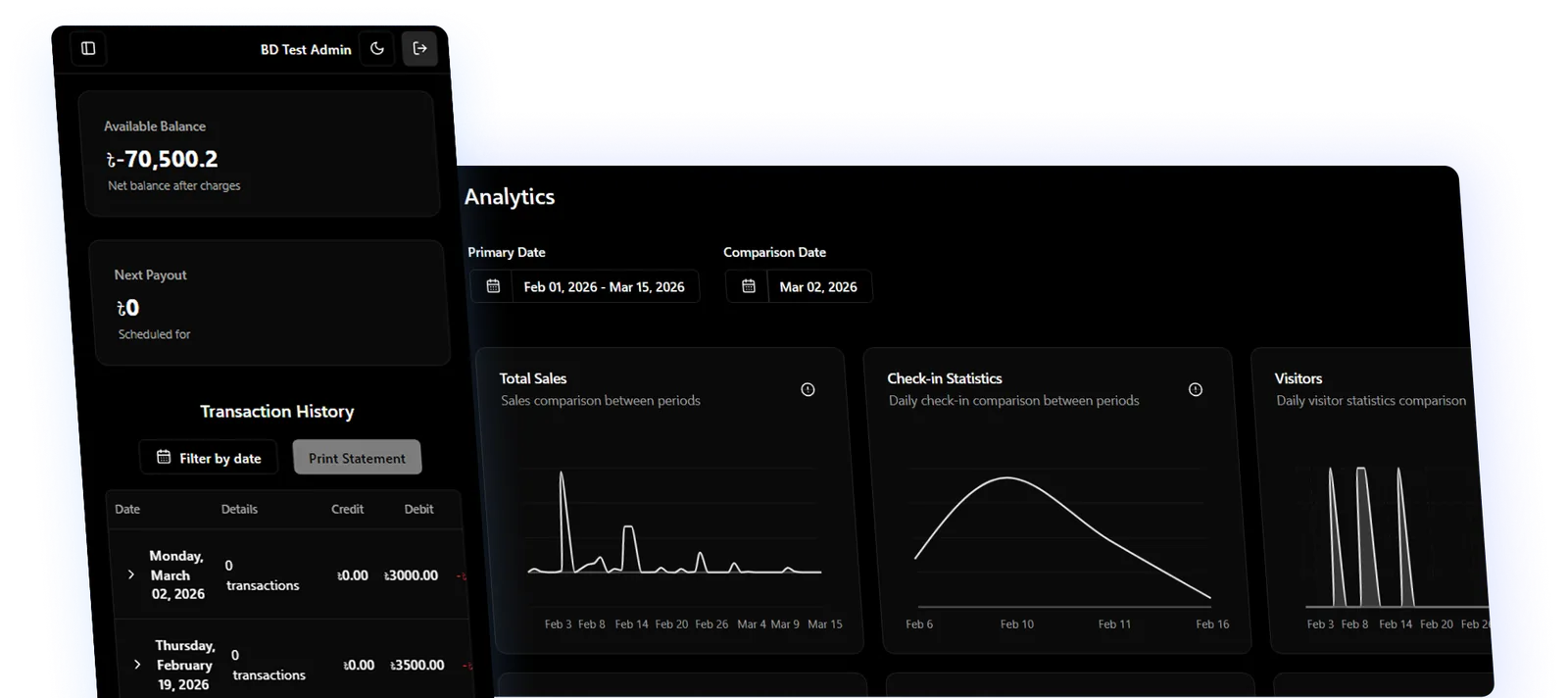
Continuum is organized as focused services — identity and tenancy, a booking engine, sales, and notifications — communicating through a reliable outbox-to-queue pattern, with a modern operator dashboard on top. The booking engine encodes a "Unified Booking Theory": a bitmask inventory model that computes real-time availability and fans updates out over WebSockets.
To make the platform reusable across products, every surface is served by a generated SDK — operator, customer, partner, and storefront — wire-generated from the API contract so web, mobile, and partner integrations stay in lockstep.
Where it stands
The original platform remains live and maintained; Continuum is in active development, moving the core booking logic into a foundation that multiple front-ends and partners can build on.
The work, up close.
Related case studies.



Have a similar problem worth solving?
Tell us where you’re headed. We’ll bring the engineering discipline to get you there.