
Counterfoil: একটি বুকিং মনোলিথ থেকে ইভেন্ট-ড্রিভেন প্ল্যাটফর্মে
Ternary, Counterfoil-এর বুকিং প্ল্যাটফর্মকে লাইভ ও রক্ষণাবেক্ষণাধীন রেখে সমান্তরালে এটিকে Continuum হিসেবে পুনর্নির্মাণ করছে — ইভেন্ট-ড্রিভেন সার্ভিস, একটি পুনঃব্যবহারযোগ্য availability ইঞ্জিন এবং প্রতিটি সারফেসের জন্য জেনারেটেড SDK।
- Industry
- Experience economy
- Engagement
- Flow — dedicated product team
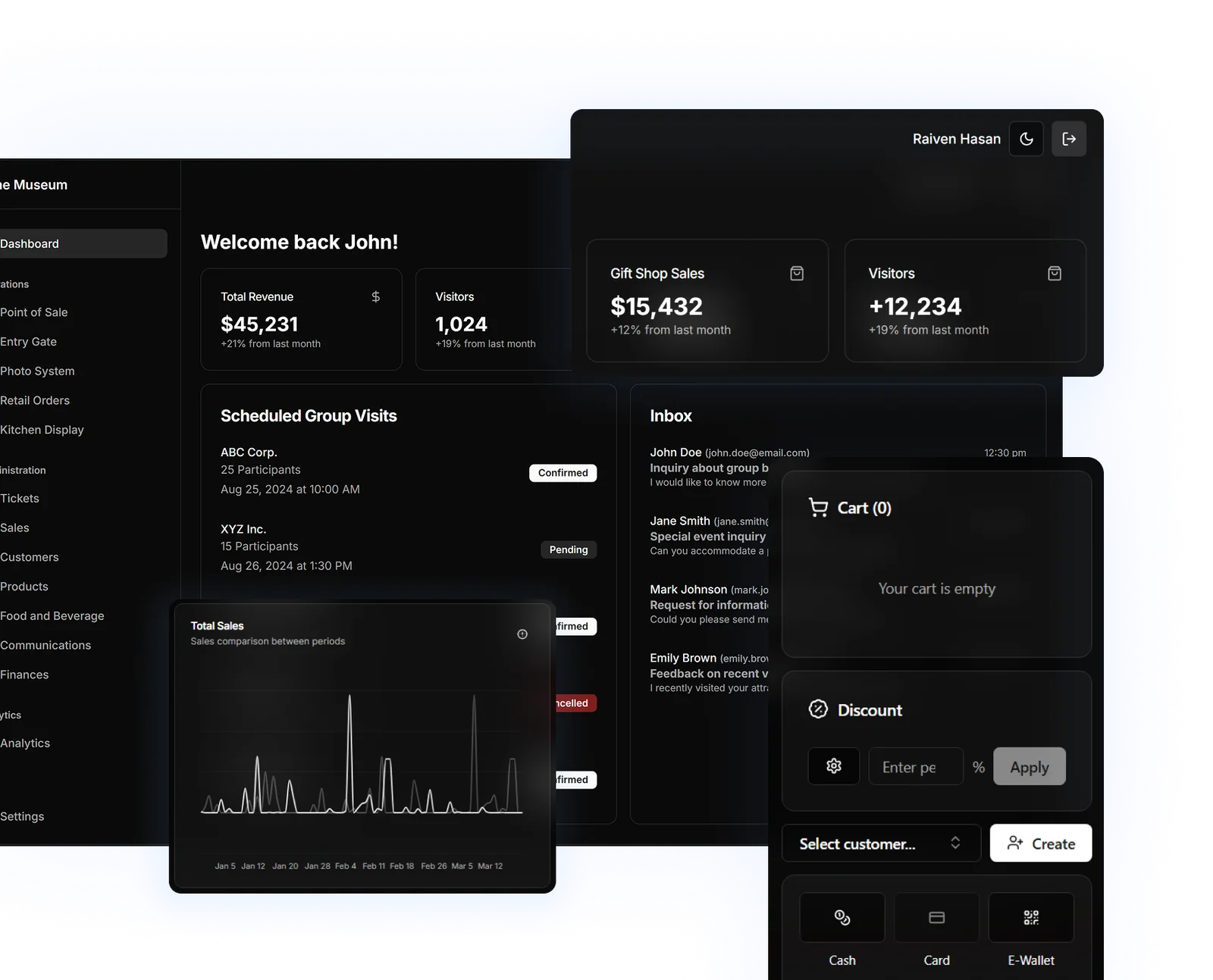
How we approached the work, what we built, and why it matters.
চ্যালেঞ্জ
Counterfoil-এর প্রথম প্রজন্মের পণ্যটি ধারণাটি প্রমাণ করলেও এমন এক মনোলিথে পরিণত হয় যেখানে বুকিং, বিলিং ও আইডেন্টিটি দৃঢ়ভাবে যুক্ত ছিল — যা বিকশিত করা এবং নতুন সারফেসে পুনঃব্যবহার করা কঠিন।
আমাদের পদ্ধতি
Ternary প্রোডাকশন প্ল্যাটফর্মটিকে স্থিতিশীল ও রক্ষণাবেক্ষণাধীন রেখে সমান্তরালে এটিকে Continuum হিসেবে পুনর্নির্মাণ করছে: একটি ইভেন্ট-ড্রিভেন আর্কিটেকচার যা স্পষ্ট API সীমানাসহ স্বাধীন সার্ভিসে দায়িত্ব ভাগ করে দেয়।
আমরা যা তৈরি করেছি
Continuum কয়েকটি কেন্দ্রীভূত সার্ভিস হিসেবে সাজানো — আইডেন্টিটি ও টেন্যান্সি, একটি বুকিং ইঞ্জিন, সেলস এবং নোটিফিকেশন — যা একটি নির্ভরযোগ্য outbox-to-queue প্যাটার্নে যোগাযোগ করে, এবং উপরে থাকে একটি আধুনিক অপারেটর ড্যাশবোর্ড। বুকিং ইঞ্জিনটি একটি "Unified Booking Theory" ধারণ করে: একটি bitmask ইনভেন্টরি মডেল যা রিয়েল-টাইম availability নির্ণয় করে এবং WebSocket-এর মাধ্যমে আপডেট ছড়িয়ে দেয়।
প্ল্যাটফর্মটিকে বিভিন্ন পণ্যজুড়ে পুনঃব্যবহারযোগ্য করতে প্রতিটি সারফেস একটি জেনারেটেড SDK দিয়ে পরিবেশিত হয় — অপারেটর, কাস্টমার, পার্টনার ও স্টোরফ্রন্ট — API কন্ট্রাক্ট থেকে স্বয়ংক্রিয়ভাবে তৈরি, যাতে ওয়েব, মোবাইল ও পার্টনার ইন্টিগ্রেশন সবসময় সমন্বিত থাকে।
বর্তমান অবস্থা
মূল প্ল্যাটফর্মটি লাইভ ও রক্ষণাবেক্ষণাধীন; Continuum সক্রিয় উন্নয়নাধীন, যেখানে মূল বুকিং লজিককে এমন এক ভিত্তিতে নিয়ে যাওয়া হচ্ছে যার উপর একাধিক ফ্রন্ট-এন্ড ও পার্টনার গড়ে উঠতে পারে।
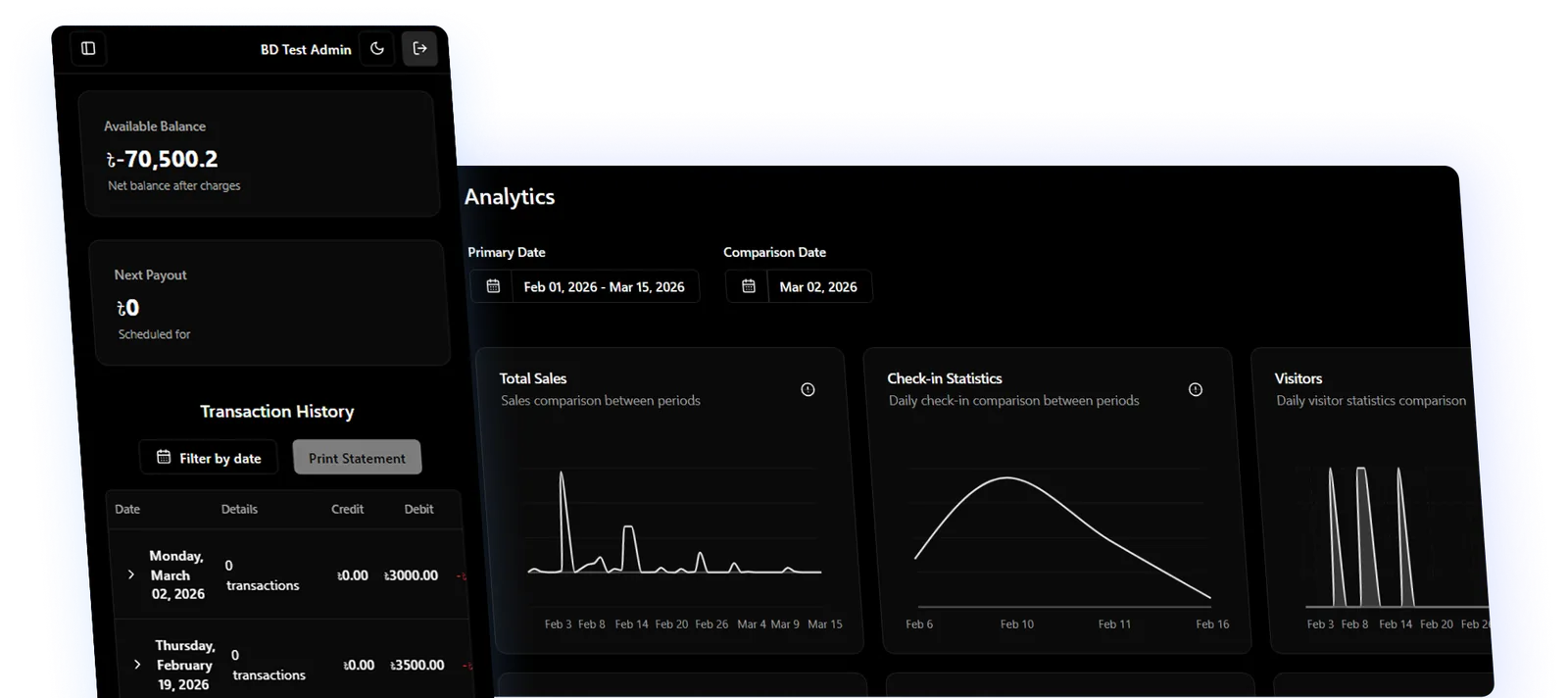
The work, up close.
Related case studies.



Have a similar problem worth solving?
Tell us where you’re headed. We’ll bring the engineering discipline to get you there.